
If you are a woman over 35, you have probably noticed it: the waistline that used to respond to a few weeks of effort now seems... stubborn. And every corner of the internet has a "solution" — waist trainers, detox teas, 100 crunches a day. Let us clear the air with what actually works, no gimmicks.
Doing a thousand crunches will build stronger abs underneath the fat — it will not melt the fat sitting on top. Fat loss happens systemically: when you are in a calorie deficit, your body decides where the fat comes off, and genetics and hormones vote heavily. Anyone selling you a "belly-fat-melting" exercise is selling you something else.
Three things change. First, muscle mass declines with age — the loss starts earlier than most women think — and less muscle means a slower metabolism. Second, hormonal shifts, especially around perimenopause, redirect fat storage toward the midsection. Third, life gets fuller: careers, kids, stress, worse sleep. Poor sleep and chronic stress raise cortisol, which is directly linked to abdominal fat storage. It is not your imagination, and it is not a character flaw — it is physiology. The good news: physiology responds to the right inputs.
Think of fat loss as a hierarchy, not a single trick. Each layer multiplies the one below it:
1. A modest calorie deficit. You must burn slightly more than you eat — there is no way around this. "Modest" is the key word: aggressive cuts backfire, especially after 35 (more on that below). Aim to lose roughly 0.5–1% of body weight per week.
2. Enough protein. Protein preserves muscle in a deficit (muscle is what keeps your metabolism from tanking), keeps you full, and costs more energy to digest. A practical target: about 1 gram per pound of your goal body weight daily. If that number scares you, start by adding one palm-sized portion of protein to every meal.
3. Strength training, 2–4 times a week. This is the highest-leverage habit on the list. Muscle is metabolically active tissue; building it is the closest thing to "fixing" a slowing metabolism. Full-body sessions with progressive overload beat endless cardio for body composition every time.
4. Daily walking plus some cardio. A brisk 30-minute walk daily is underrated fat-loss magic: it burns calories without spiking hunger or crushing recovery. Add 1–2 sessions of higher-intensity intervals per week if you enjoy them — interval training is linked to reductions in visceral fat — but walking is the foundation.
5. Sleep 7–9 hours and manage stress. Skimp on sleep and your hunger hormones (ghrelin up, leptin down) will sabotage the deficit for you. Treat sleep like a training variable, not a luxury.
Mistake 1: cardio only, no strength. Hours on the treadmill without resistance training often means losing muscle along with fat — you get smaller but softer, and the metabolism slows further. Strength training is what keeps the loss coming from fat, not muscle.
Mistake 2: eating too little. The instinct when the scale stalls is to slash calories harder. After 35, that usually backfires: energy crashes, cravings spike, training quality collapses, and consistency — the actual driver of results — dies. Eat better (more protein, more whole foods) before you eat less.
With consistency, most women notice changes in measurements and photos within 3–4 weeks; visible, significant change typically takes 2–3 months. The waist often changes even when the scale moves slowly — track with a tape measure and photos, not just the scale. And "consistency" means months, not a 21-day challenge.
You do not need a new secret. You need the unsexy fundamentals, repeated: slight deficit, high protein, lift weights, walk daily, sleep. Start with the one you are worst at — that is where your biggest return lives.
Programs, recipes and services to accelerate your transformation.
See the shop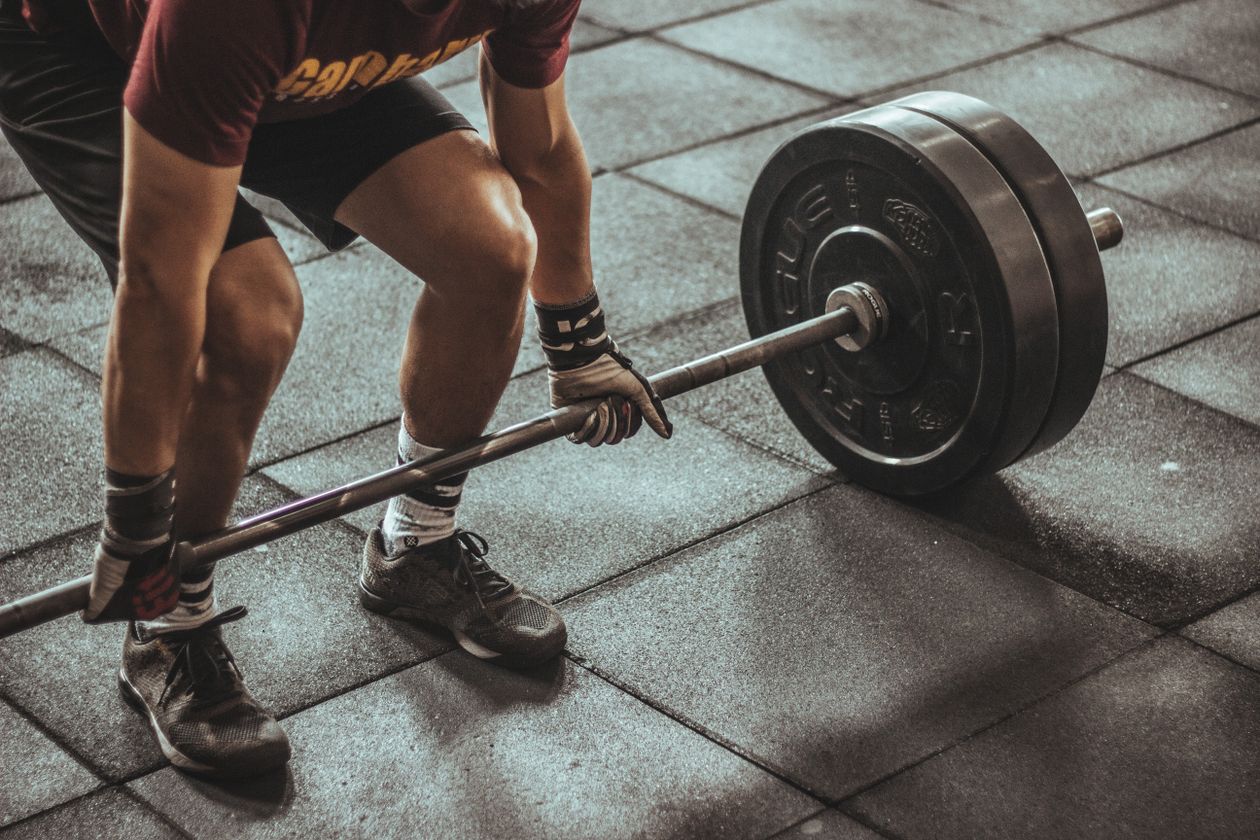 Training
Forget complicated splits. Three full-body sessions a week, six movement patterns, and a simple progression plan — everything a beginner needs.
Read article → Training
No commute, no crowds, no excuses. A complete 30-minute full-body home session — plus how to keep making it harder as you get stronger.
Read article → Training
Push/pull/legs, upper/lower, bro split — what they actually mean, who each one is for, and how to match your split to the days you really have.
Read article →Ready-made training spreadsheets built by a certified coach — pick your goal and follow the plan, no consulting needed. Plus diet and recipe ebooks.
See the shop AMERICAN TRAINER INSTITUTE