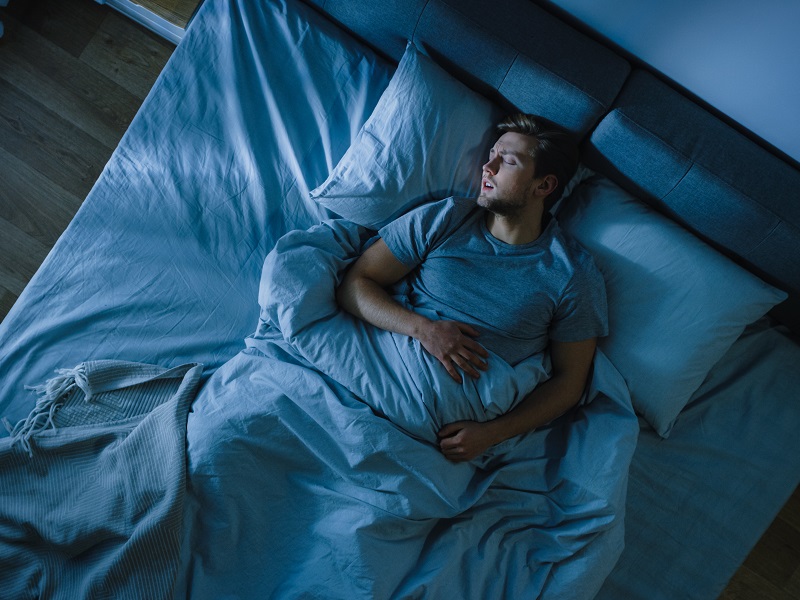
Important: this is educational content, not medical advice. If you snore heavily, stop breathing in your sleep, or stay exhausted despite enough hours in bed, talk to your doctor — no training tip fixes a sleep disorder.
"How much sleep do I need to build muscle?" is one of the most searched recovery questions in fitness — and the people asking it usually already know their workouts are fine. Here is the uncomfortable truth: you do not get stronger from training. You get stronger from recovering from training — and the biggest, cheapest, most ignored recovery tool is sleep.
Most of your daily growth hormone release happens during deep sleep, in the first part of the night. That is when muscle repair and protein synthesis do their heavy lifting. Sleep is also when your nervous system consolidates the movement skills you practiced — the squat pattern, the hinge — which is why a new exercise often feels smoother after a good night than after an extra practice session.
Cut the night short and you do not just "feel tired." You shrink the exact window in which your training turns into muscle.
In one widely cited study, dieters sleeping about 5.5 hours lost dramatically worse than dieters sleeping about 8.5 hours on the same diet — roughly 55% less fat lost and 60% more lean mass lost. Same food, same deficit; sleep decided what kind of weight came off. Other research has found that a week of very short nights can drop young men's testosterone by around 10–15% — the hormonal profile of someone years older.
Add the appetite effect: short sleep pushes hunger hormones in the wrong direction (more drive to eat, weaker fullness signals), increases cravings for calorie-dense food, and quietly lowers how much you move the next day. You do not blow your diet because you lack discipline. You blow it because you are running a sleep-deprived brain.
For most adults who train, the evidence-based target is 7–9 hours of actual sleep per night, with hard trainers and people in a fat-loss phase usually doing best toward the upper end. Six hours is not a badge of toughness — it is a gray zone where adaptation still happens, but below its potential. And note the trap: time in bed is not time asleep. Eight hours in bed with a slow wind-down and wake-ups in the night may be six and a half hours of sleep. If progress stalls while "sleeping eight hours," measure the real number honestly before changing anything else.
Our supplements guide makes this point and it belongs here too: no powder outperforms a missing hour of sleep. If your training is consistent, your protein is adequate and progress still crawls, audit sleep for two honest weeks before changing the program. For many people, that — not a new split, not a stricter diet — is the lever that was stuck all along.
Train hard, eat enough protein, and then go to bed like it is part of the program. Because it is.
Programs, recipes and services to accelerate your transformation.
See the shop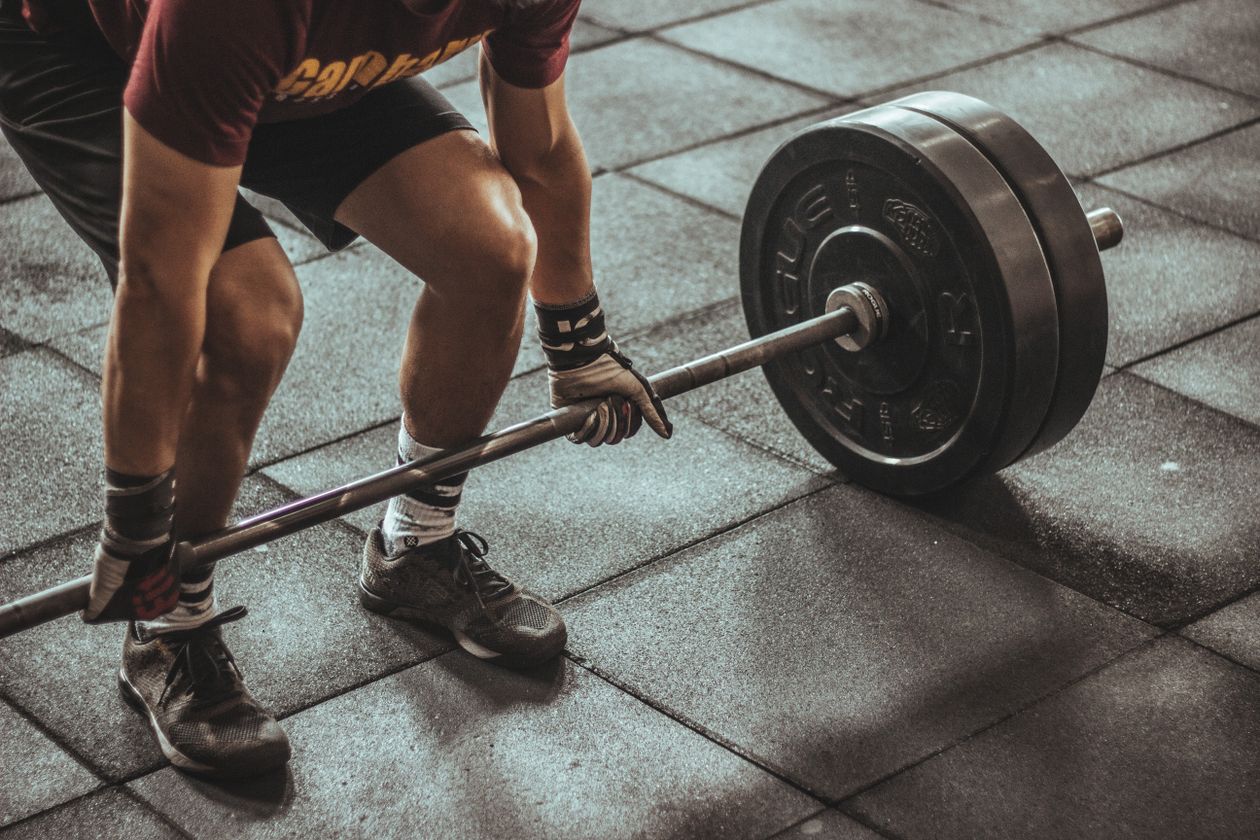 Training
Forget complicated splits. Three full-body sessions a week, six movement patterns, and a simple progression plan — everything a beginner needs.
Read article →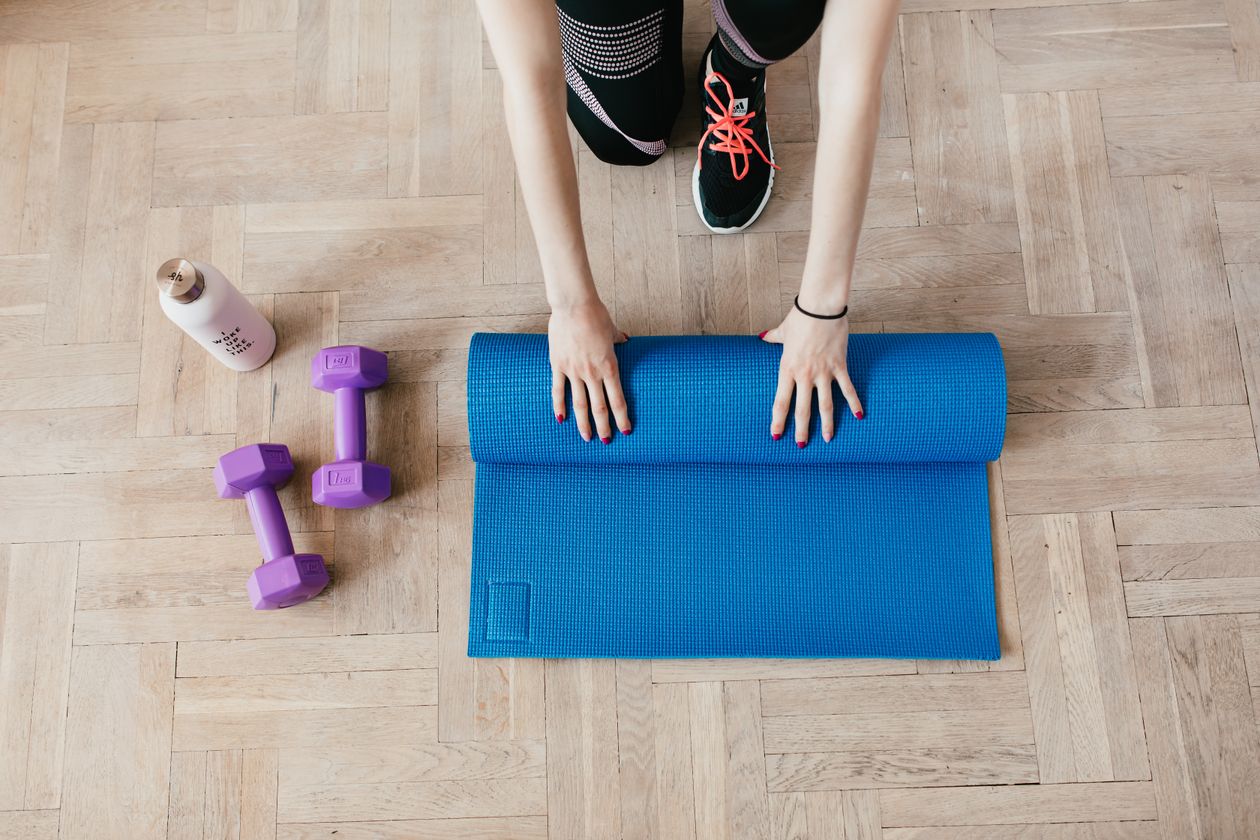 Training
No commute, no crowds, no excuses. A complete 30-minute full-body home session — plus how to keep making it harder as you get stronger.
Read article → Training
Push/pull/legs, upper/lower, bro split — what they actually mean, who each one is for, and how to match your split to the days you really have.
Read article →Ready-made training spreadsheets built by a certified coach — pick your goal and follow the plan, no consulting needed. Plus diet and recipe ebooks.
See the shop AMERICAN TRAINER INSTITUTE