Important: this is educational content, not medical advice. If you have a medical condition, are pregnant, or take medication that affects diet, talk to your doctor or a registered dietitian before changing how you eat.
Walk out of any gym and you will hear some version of the same panic: eat protein within 30 minutes or the workout was wasted. The truth is calmer and more useful. A good post-workout meal has three jobs — repair muscle, refill energy, and replace fluid — and it does them best as part of a day of eating well, not as a rescue mission against the clock.
The 30-minute window is mostly gym folklore. Reviews of protein-timing research consistently find that total daily protein matters more than the exact minute you eat, once total intake is accounted for. The practical rule is simple: eat a proper meal within a couple of hours of training. Two exceptions deserve speed: if you train fasted, or if you have another hard session the same day — then eat sooner, because recovery time is genuinely short.
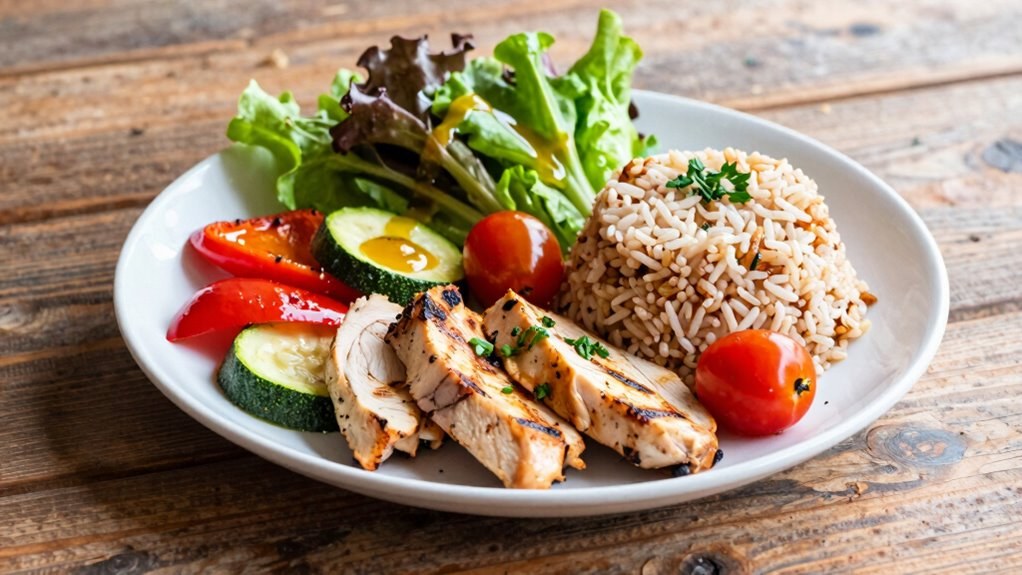
Training creates micro-damage in muscle fibers; protein supplies the amino acids that rebuild them stronger. For most adults, 20–40 grams of high-quality protein in the post-workout meal is a solid, evidence-backed range — roughly 0.25–0.40 grams per kilogram of body weight. You do not need a supplement to hit it: a palm-and-a-half of chicken, three eggs with Greek yogurt, or a large serving of tofu with grains all land in range. Spread protein across the day rather than saving it all for dinner; the post-workout meal is one of three or four good protein meals, not the only one.
Carbs restore glycogen — the fuel your muscles spent. After a long, hard, or endurance session, carbs matter as much as protein; after a short strength session, your next normal meal usually covers it. A useful starting point after demanding training is a carb-to-protein ratio around 2–3:1 (more carbs than protein), with the absolute amount scaled to session length and body size. Rice, potatoes, oats, bread, and fruit all do the job — this is not the moment for a zero-carb badge of honor.
Most people under-drink after training and then wonder why recovery feels sluggish. Water with the meal is enough for most sessions. After long, sweaty training, sodium matters too — food usually covers it, and a sports drink only earns its place when the session was long and very sweaty. Thirst plus a normal meal is a better guide than a color chart for daily training.
The post-workout meal does not have a different identity for each goal. For fat loss, it is simply one meal inside your daily calories — it is not a bonus you earned, and skipping it does not "save" anything if it leaves you ravenous later. For muscle gain, the meal is bigger and the day is in a small surplus — the protein target stays similar, the carbs and total food go up. The structure is the same; the portions change.
1. Protein only, no carbs, after a hard session. You repaired the wall but did not refill the tank — tomorrow's session pays for it.
2. Waiting hours to eat, then binging. A delayed, enormous meal is worse than a normal meal eaten within two hours. Hunger plus fatigue is a terrible menu planner.
3. Believing a shake is required. Protein powder is convenient food, not a recovery switch. If whole food fits your schedule and budget, it covers everything a shake does.
Keep it boring and repeatable: protein, carbs, water, within a couple of hours, as part of a day where protein shows up at every meal. That is post-workout nutrition without the panic — and it is the version that survives real life.
Programs, recipes and services to accelerate your transformation.
See the shop Nutrition
Diets have an end date — that's why they fail. Reeducação alimentar is about rebuilding habits so healthy eating becomes automatic.
Read article →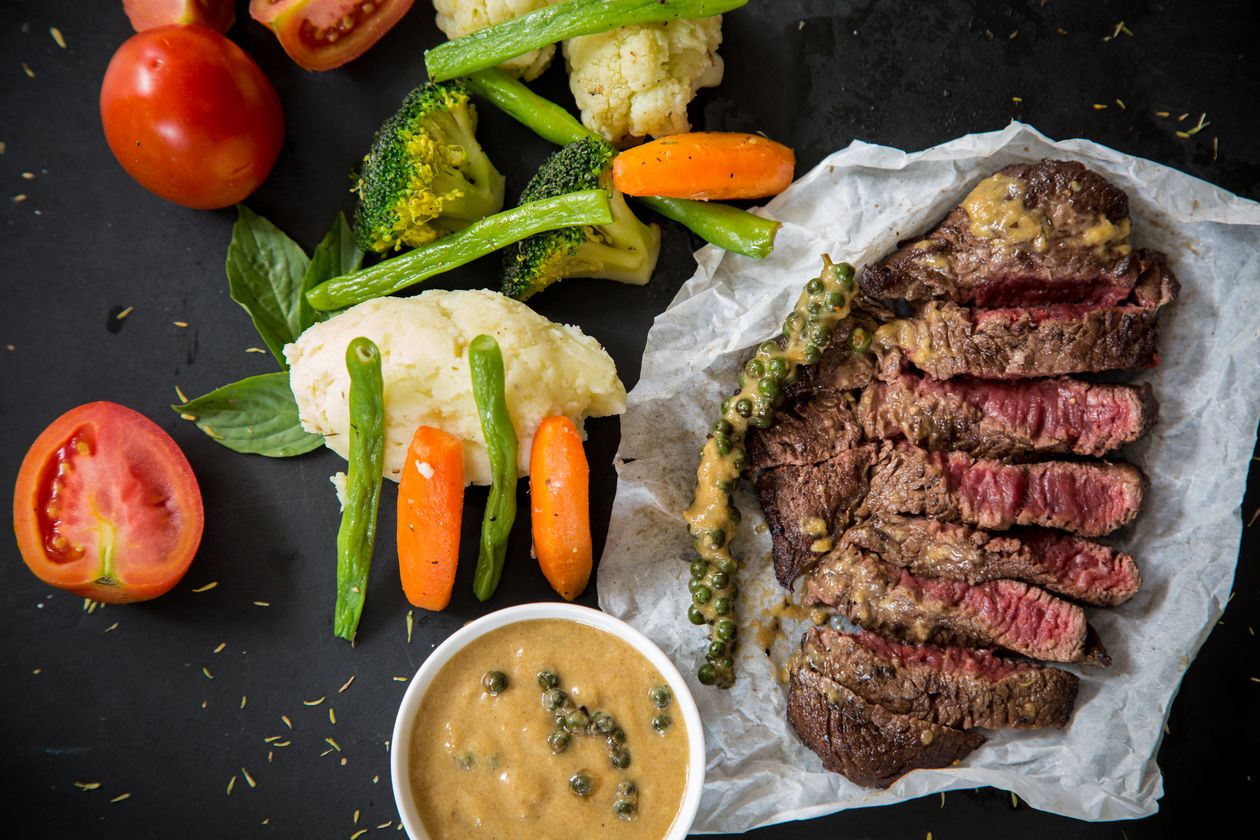 Nutrition
Protein is the most under-eaten nutrient among people trying to get fit. Practical targets, the palm method, and the best sources — no scale required.
Read article →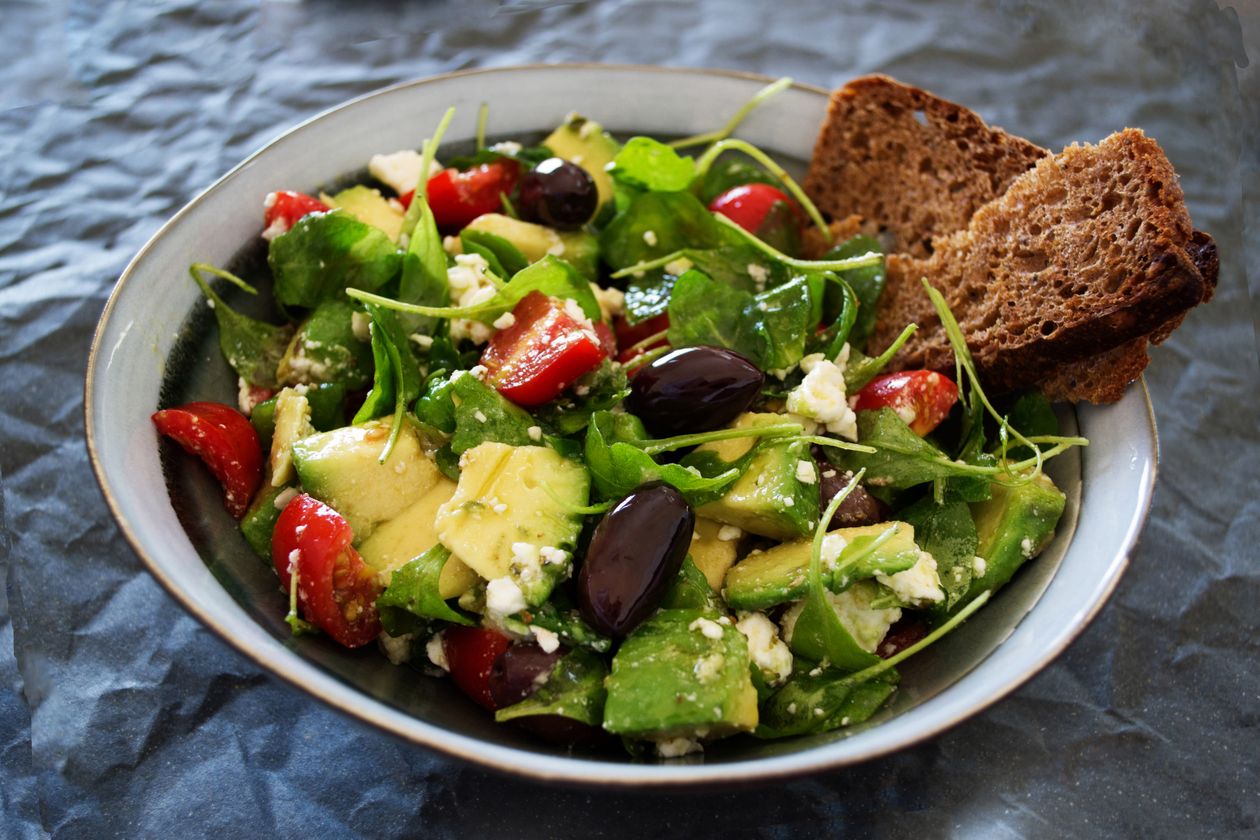 Nutrition
You don't need a Sunday production line. A simple 2-hour system — proteins, carbs, veggies, assembly — that covers your whole week.
Read article →Ready-made training spreadsheets built by a certified coach — pick your goal and follow the plan, no consulting needed. Plus diet and recipe ebooks.
See the shop AMERICAN TRAINER INSTITUTE