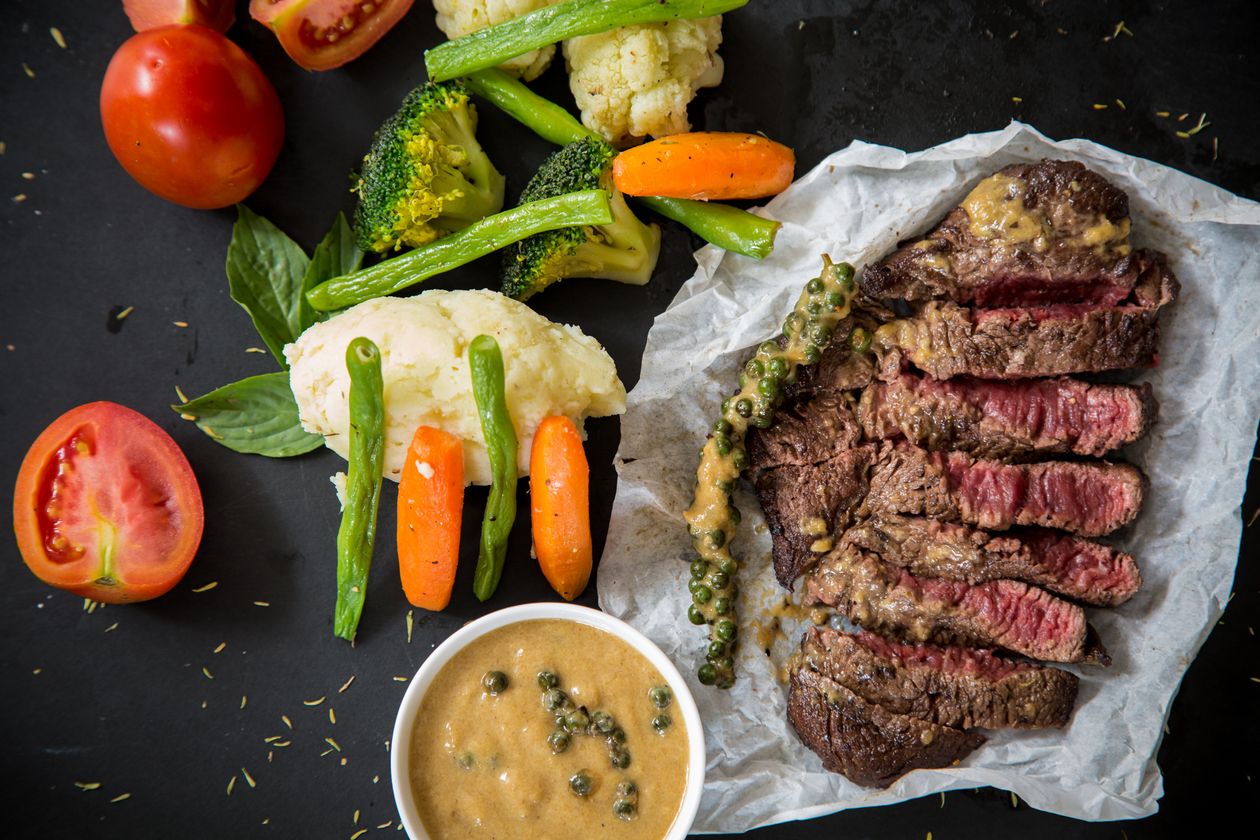
If there is one nutrition change with the biggest return on effort, it is eating enough protein. Protein keeps you full for hours, preserves muscle while you lose fat, speeds recovery, and even burns slightly more calories to digest than carbs or fat. Yet most people trying to "eat healthy" dramatically under-eat it.
Here is protein, simplified — no scale, no spreadsheet.
Sports nutrition guidelines generally land in these ranges:
Example: a 70 kg (154 lb) person training regularly aims for roughly 110–150 g per day. These are general ranges, not a prescription — individual needs vary, and anyone with kidney issues or a medical condition should check with their doctor first.
One palm-sized portion of cooked meat, fish, or poultry ≈ 25–30 g of protein. Most active people need 4–5 palms per day, spread across meals. Eggs: one large egg ≈ 6 g (so 4 eggs ≈ one palm). Greek yogurt (170 g) ≈ 15–17 g. A scoop of whey ≈ 20–25 g. Tofu (150 g) ≈ 12–15 g; lentils (1 cup cooked) ≈ 18 g.
Build each meal around a palm or two of protein first, then add everything else. That one habit solves 80% of protein problems.
Animal: chicken breast, turkey, eggs, Greek yogurt, cottage cheese, tuna, salmon, lean beef. Affordable, complete amino acid profiles, easy to portion.
Plant: lentils, chickpeas, black beans, tofu, tempeh, edamame, quinoa. Combine legumes + grains across the day for complete aminos; soy is complete on its own.
1. Saving all protein for dinner. Your body uses protein better spread across 3–4 meals (25–40 g each) than in one giant evening load.
2. "Healthy" meals with no protein. A salad with no protein source is a side dish, not a meal — you will be hungry in an hour.
3. Fear of "too much." For healthy, active people, intakes up to 2.2 g/kg are well-supported in the literature. The real risk is too little, not too much.
Start tomorrow: add one palm of protein to the meal where it is currently missing. Small change, outsized payoff.
Programs, recipes and services to accelerate your transformation.
See the shop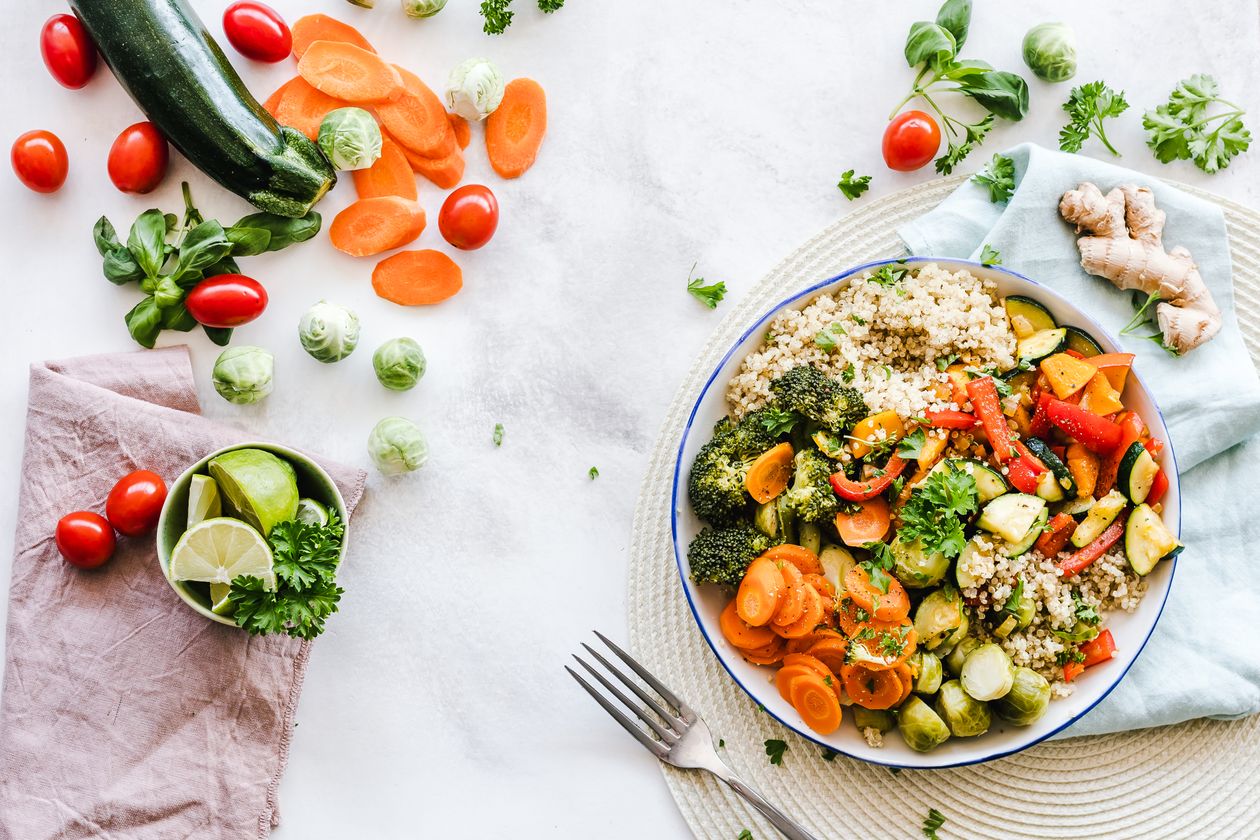 Nutrition
Diets have an end date — that's why they fail. Reeducação alimentar is about rebuilding habits so healthy eating becomes automatic.
Read article →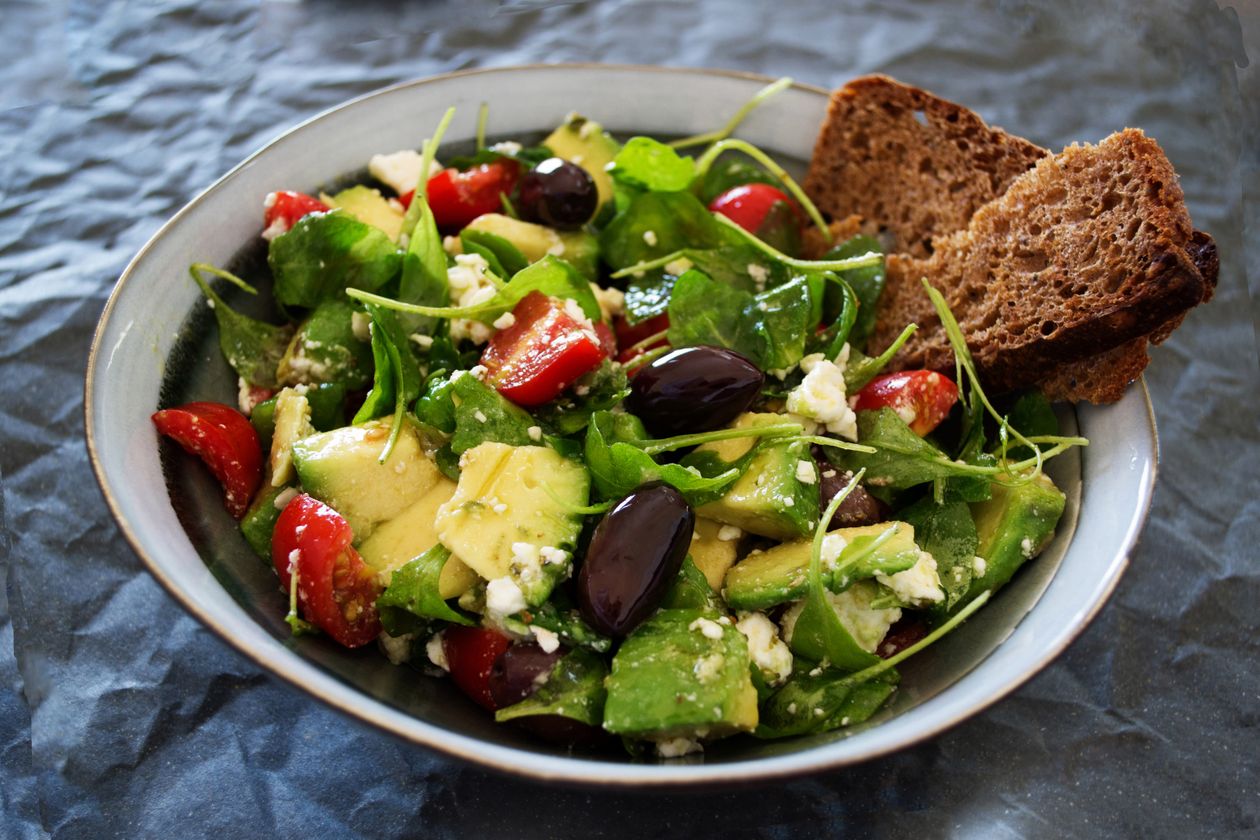 Nutrition
You don't need a Sunday production line. A simple 2-hour system — proteins, carbs, veggies, assembly — that covers your whole week.
Read article → Training
Forget complicated splits. Three full-body sessions a week, six movement patterns, and a simple progression plan — everything a beginner needs.
Read article →Ready-made training spreadsheets built by a certified coach — pick your goal and follow the plan, no consulting needed. Plus diet and recipe ebooks.
See the shop AMERICAN TRAINER INSTITUTE