Important: this is educational content, not medical advice. If weight change stalls for months despite consistent habits — or you have symptoms, a medical condition, or take medication that affects weight — talk to your doctor or a registered dietitian.
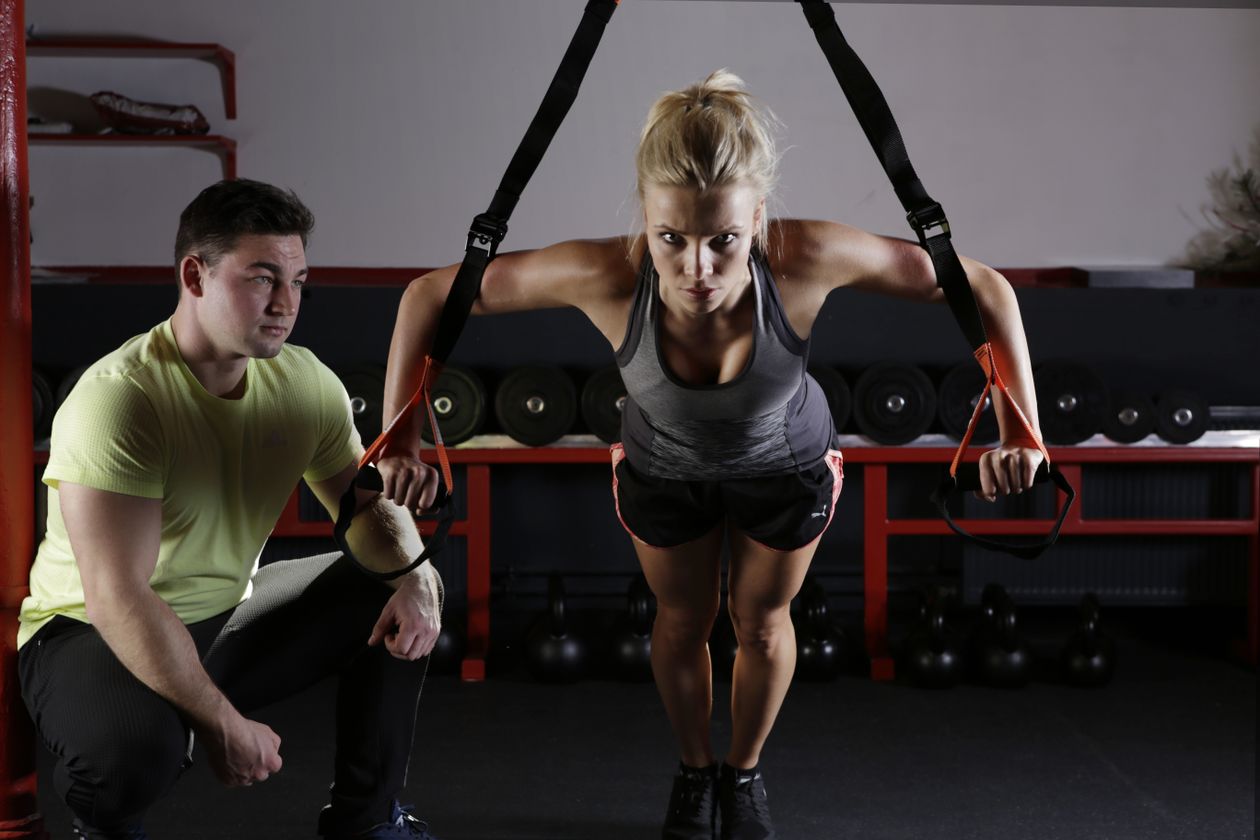
It is one of the most searched fitness questions on the internet: "Why am I not losing weight even though I exercise and eat healthy?" The first weeks went well, then the scale froze — sometimes for weeks. Before you slash calories or add punishing workouts, understand this: most plateaus are not a broken metabolism. They are information. Here is how to read them.
Three flat days is not a plateau — it is normal fluctuation. Water, glycogen (stored carbohydrate, which holds water), salt, a hard training session, hormonal cycles and even a late dinner can move the scale by a surprising amount overnight, in either direction. A real plateau is a flat trend for about 3–4 weeks: your weekly average weight, your waist measurement and your progress photos all standing still at the same time. Judge the trend, never a single morning.
If you recently started strength training, you may be gaining a little muscle and holding a little more water in trained muscles while fat comes off — the scale barely moves, but clothes fit differently. This is why the scale is only one witness. Add three cheap ones: a waist measurement once a week, a front-and-side photo every two weeks in the same light, and one honest question — how do my clothes fit? If those are improving, you do not have a plateau. You have progress the scale cannot see.
A smaller body needs less energy than a bigger one, so the eating level that created a deficit at the start can slowly become your new maintenance. At the same time, portions creep: a heavier pour of cooking oil, sauces and dressings "that don't count," liquid calories, weekend eating that quietly cancels five careful weekdays. None of this is a character flaw — it is the most common cause of all, and it is fixable because it is measurable.
When food drops, the body often saves energy where you cannot feel it: fewer steps, less fidgeting, more sitting — exercise scientists call this drop in non-exercise activity a major reason progress slows. Your workouts may be identical while your total day burns noticeably less. This is also the easiest lever to pull back up, because walking more asks nothing of your recovery.
Short, broken sleep reliably increases hunger and cravings the next day and makes training feel harder, so people move less and eat more without deciding to. Chronic stress works through the same side door: worse sleep, more snacking, more water retention. If your life season is intense, your "plateau" may be a recovery problem wearing a nutrition costume.
Pick the single clearest finding and adjust only that: rebuild one meal around protein and vegetables, swap liquid calories for water, add a daily walk to lift your step average, or protect a consistent sleep window. Give the change two to three weeks before judging it. Stacking five changes at once feels heroic and teaches you nothing — and a much harsher diet is almost never the first answer. If a true plateau persists for months despite an honest audit and consistent adjustments, that is a medical conversation, not a willpower verdict.
Plateaus are where most people quit — usually weeks before the next visible change. Audit first, adjust once, and stay in the game. That patience, repeated, is the entire difference between a diet and a result.
Programs, recipes and services to accelerate your transformation.
See the shop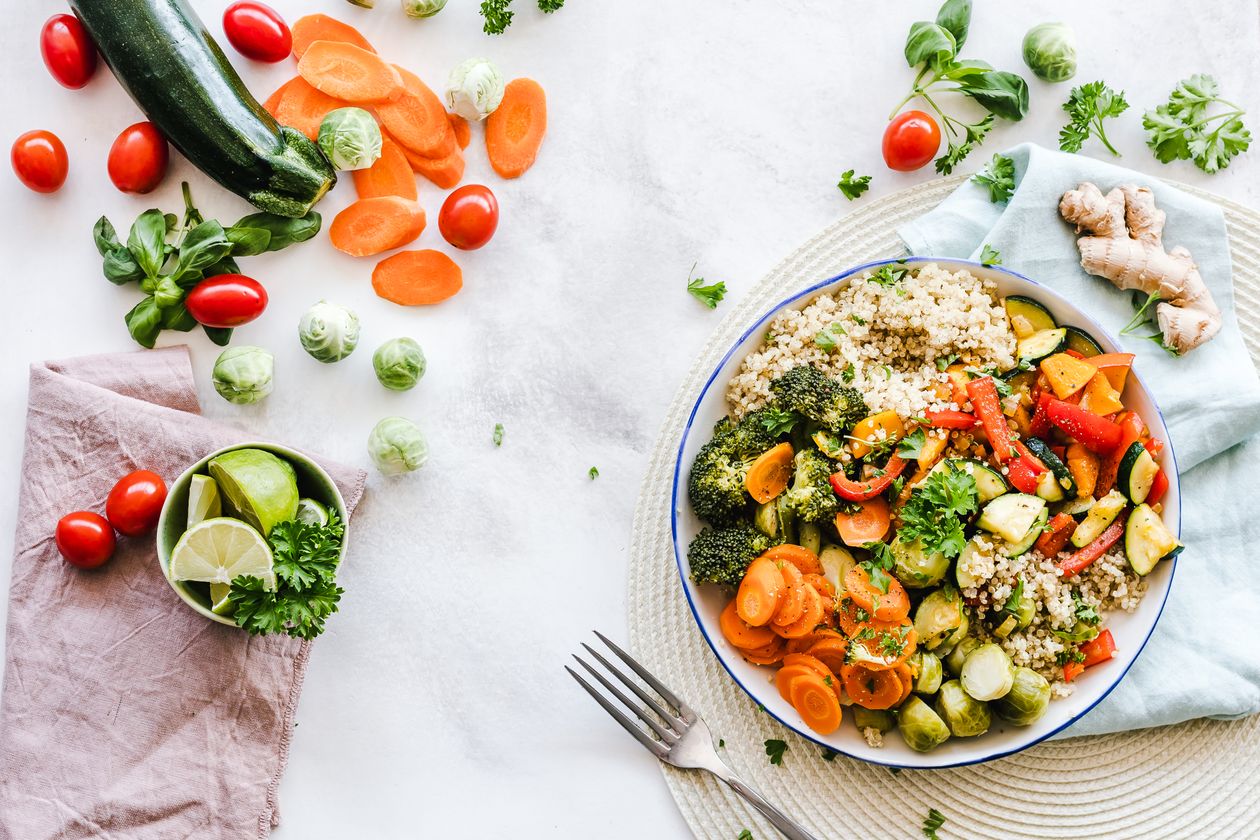 Nutrition
Diets have an end date — that's why they fail. Reeducação alimentar is about rebuilding habits so healthy eating becomes automatic.
Read article →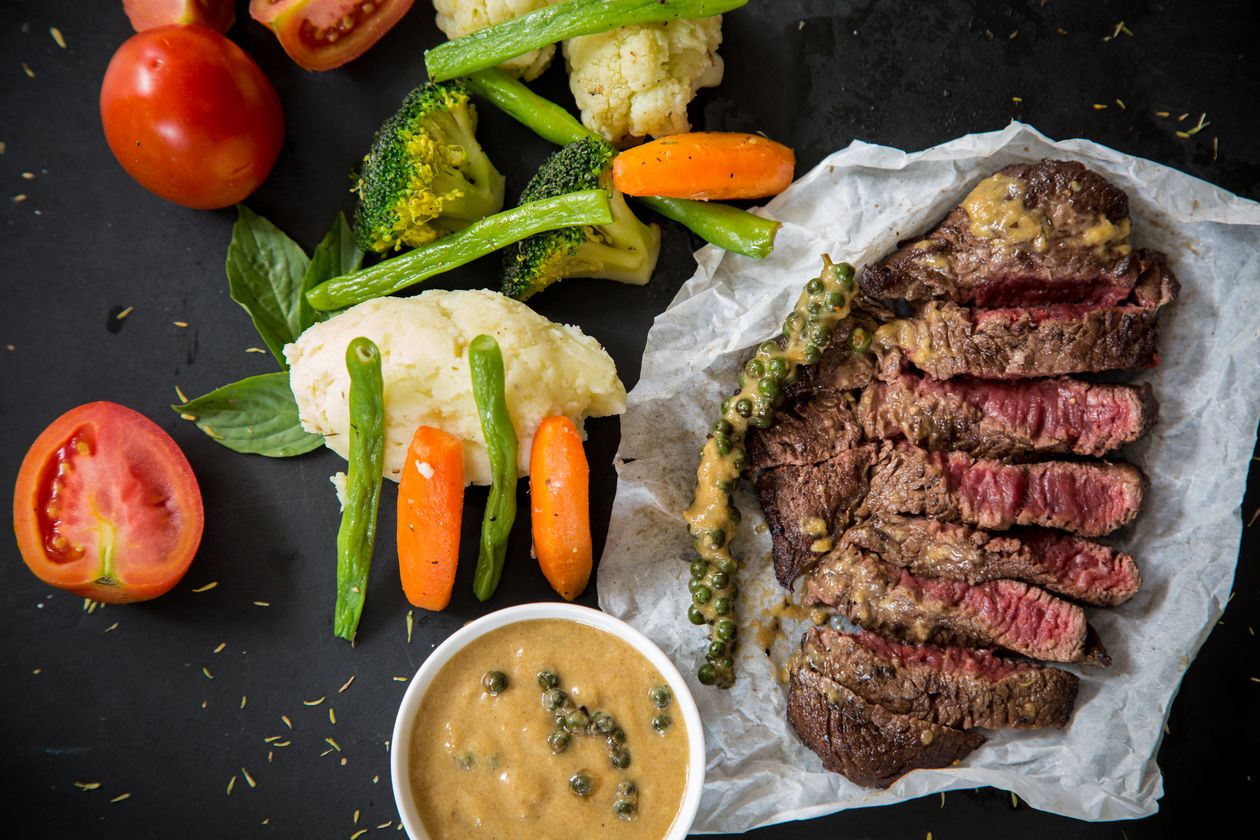 Nutrition
Protein is the most under-eaten nutrient among people trying to get fit. Practical targets, the palm method, and the best sources — no scale required.
Read article →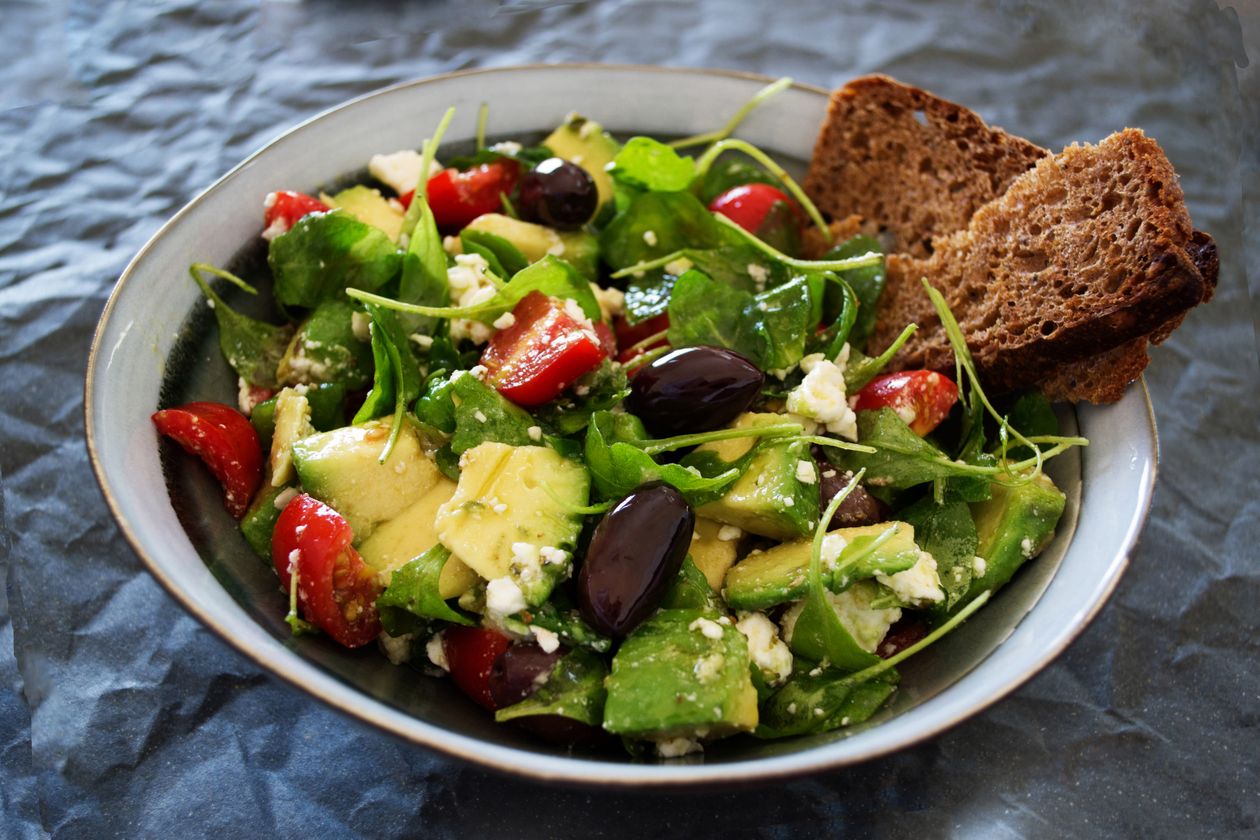 Nutrition
You don't need a Sunday production line. A simple 2-hour system — proteins, carbs, veggies, assembly — that covers your whole week.
Read article →Ready-made training spreadsheets built by a certified coach — pick your goal and follow the plan, no consulting needed. Plus diet and recipe ebooks.
See the shop AMERICAN TRAINER INSTITUTE